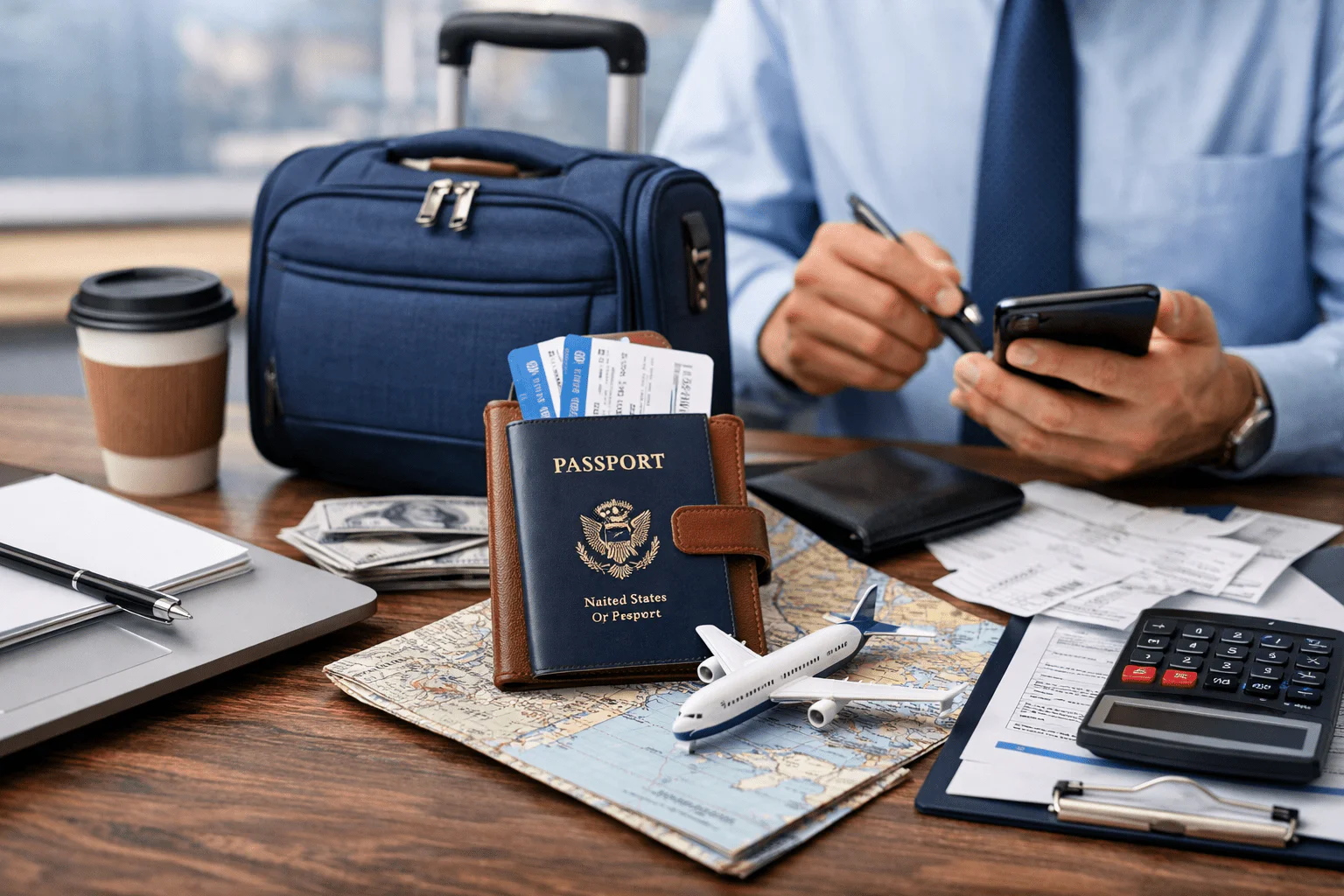
Traveling Allowance
Traveling Allowance: Everything You Need to Know
Traveling allowance is a key benefit for many employees and business owners in the USA. But what exactly is it? Why is it important? This article will provide a detailed breakdown of traveling allowance, its benefits, and how it works in the context of the US workplace. Whether you’re an employee looking to understand your rights or an employer who wants to structure your policies effectively, this guide has everything you need to know.
What is a Traveling Allowance?
A traveling allowance is a sum of money given to employees to cover their expenses while traveling for work. This allowance can cover transportation, accommodation, meals, and other expenses incurred during a business trip. Employers use this as a tool to ensure that employees don’t have to bear the financial burden of travel-related costs. For employees, it provides peace of mind knowing their travel expenses are covered.
Why Do Employers Offer Traveling Allowances?
Employers offer traveling allowances to ensure that their employees can focus on their work without worrying about travel costs. It helps encourage employee productivity during business trips and ensures that employees are not burdened with out-of-pocket expenses. Offering a traveling allowance also serves as an attractive benefit that can boost employee satisfaction and retention.
How Does Traveling Allowance Work?
The way a traveling allowance works varies from company to company. Typically, employees are provided with a predetermined amount based on the nature of their trip, such as domestic or international travel. The allowance may be given in advance or reimbursed after the trip. In many cases, employees will need to submit receipts and documentation to verify their expenses for reimbursement.
Types of Traveling Allowance
There are several types of traveling allowances that companies may offer:
- Per Diem Allowance: A fixed daily rate given to employees to cover their expenses.
- Reimbursement Allowance: Employees pay for travel costs upfront and submit receipts for reimbursement.
- Fixed Monthly Allowance: A consistent amount paid regularly, often to employees who travel frequently.
Each type comes with its own pros and cons, and the choice largely depends on company preferences and industry standards.
Tax Implications of Traveling Allowance
For both employers and employees, understanding the tax implications of a traveling allowance is crucial. In most cases, if the allowance is used exclusively for business purposes, it is not considered taxable income. However, personal expenses incurred during business trips, such as sightseeing, are not covered by a tax-free allowance. Employees must keep accurate records of their expenses to avoid tax penalties.
How to Calculate Traveling Allowance
Calculating the right amount of traveling allowance depends on various factors such as the destination, duration of the trip, and the expenses involved. Employers typically estimate the cost of transportation, accommodation, meals, and other incidentals, then determine the allowance. There are also standard rates and guidelines provided by government bodies for per diem allowances, which can be used as a benchmark.
Best Practices for Employers When Offering Traveling Allowance
- Clearly Define the Policy: Employees should understand what is covered under the traveling allowance policy and the process for claiming reimbursement.
- Keep Records: Employers should require employees to keep detailed records of their expenses to ensure compliance and proper reimbursement.
- Ensure Compliance with Tax Laws: Make sure the allowance adheres to IRS rules for tax-free allowances and reimbursements.
- Provide Flexibility: Be open to revising the allowance structure to meet the changing needs of employees and the business.
Traveling Allowance vs. Other Travel Benefits
Many businesses offer additional travel benefits, such as company cars, travel insurance, or air miles. While traveling allowances cover day-to-day travel costs, other benefits might be aimed at improving the overall travel experience or offering more extensive coverage for frequent travelers. Both can complement each other to ensure employees are fully supported during their business trips.
Impact of Traveling Allowance on Employee Morale
When employees don’t have to worry about the financial impact of business travel, they can focus more on their work. A well-structured traveling allowance can improve job satisfaction, as employees feel that their company cares for their well-being. This can lead to higher productivity and a more positive work environment.
Traveling Allowance for Remote Employees
In the age of remote work, employees might still need to travel for business purposes, albeit less frequently. Employers should adjust their traveling allowance policies to account for remote workers. This includes ensuring that these employees have access to fair and appropriate allowances when they are required to attend in-person meetings or events.
How to Manage Traveling Allowance in a Remote Work Environment
With the rise of remote work, businesses are adjusting their traveling allowance policies. Some companies may offer a flexible allowance for travel related to remote work, while others may only provide allowances for in-person meetings or training sessions. Whatever the approach, it’s important to maintain clear communication and fairness when distributing these benefits.
Traveling Allowance for International Business Travel
Traveling abroad for business requires more comprehensive planning and budgeting. International business travel often involves additional costs such as international flights, travel visas, and currency exchange fees. Companies should ensure that their traveling allowance policy accounts for these added costs and provides employees with adequate funds for international trips.
Frequently Asked Questions (FAQs)
1. Is traveling allowance taxable in the USA?
Traveling allowance is generally not taxable if it is used for business purposes only. However, if the allowance covers personal expenses, that portion may be subject to tax.
2. Can employers reduce the traveling allowance?
Employers can adjust the allowance based on the company’s budget, the nature of the trip, and any government guidelines. However, any reductions should be communicated clearly to employees in advance.
3. Do employees need to submit receipts for traveling allowance?
Yes, in most cases, employees are required to submit receipts for their travel expenses, especially if the allowance is reimbursed after the trip.
4. Can I use my traveling allowance for personal expenses?
No, traveling allowance is typically meant for business-related expenses only. Personal expenditures during business trips are usually not covered by the allowance.
5. How do I calculate the per diem allowance for traveling?
Per diem allowances are often calculated based on government guidelines or average travel costs for specific areas. It covers a set daily amount for meals, lodging, and incidental expenses.
6. How often is traveling allowance paid?
Traveling allowances can be paid either as a lump sum in advance or reimbursed after the trip, depending on the company policy.
Conclusion: Maximize Your Traveling Allowance Benefits
Traveling allowance is a vital benefit that supports both employers and employees during business trips. By understanding its different types, tax implications, and best practices, businesses can create effective traveling allowance policies that foster employee satisfaction and productivity. Employees, in turn, can take full advantage of these allowances to make their business travel smoother and more enjoyable. Make sure your traveling allowance policy is clear, fair, and well-communicated to ensure the best experience for everyone involved.
About the Author