Budget Travel Tips for Expensive Cities USA
Traveling across the United States doesn’t have to drain your savings account. Many dream destinations like New York City, San Francisco, and Los Angeles carry reputations for being wallet-emptying experiences. But here’s the exciting truth: with the right budget travel tips for expensive cities USA, you can unlock incredible adventures while keeping your finances healthy. Smart travelers know that expensive price tags are often just suggestions, not requirements.
The secret lies in knowing where to look, when to visit, and how to navigate these urban playgrounds like a local insider. Whether you’re a solo backpacker, a family on vacation, or a digital nomad seeking affordable city breaks, this comprehensive guide transforms intimidating destinations into accessible treasures. Get ready to discover how strategic planning, local secrets, and money-saving hacks can turn your American city dreams into reality without the financial nightmare.
Why Expensive Cities Are Worth the Smart Investment
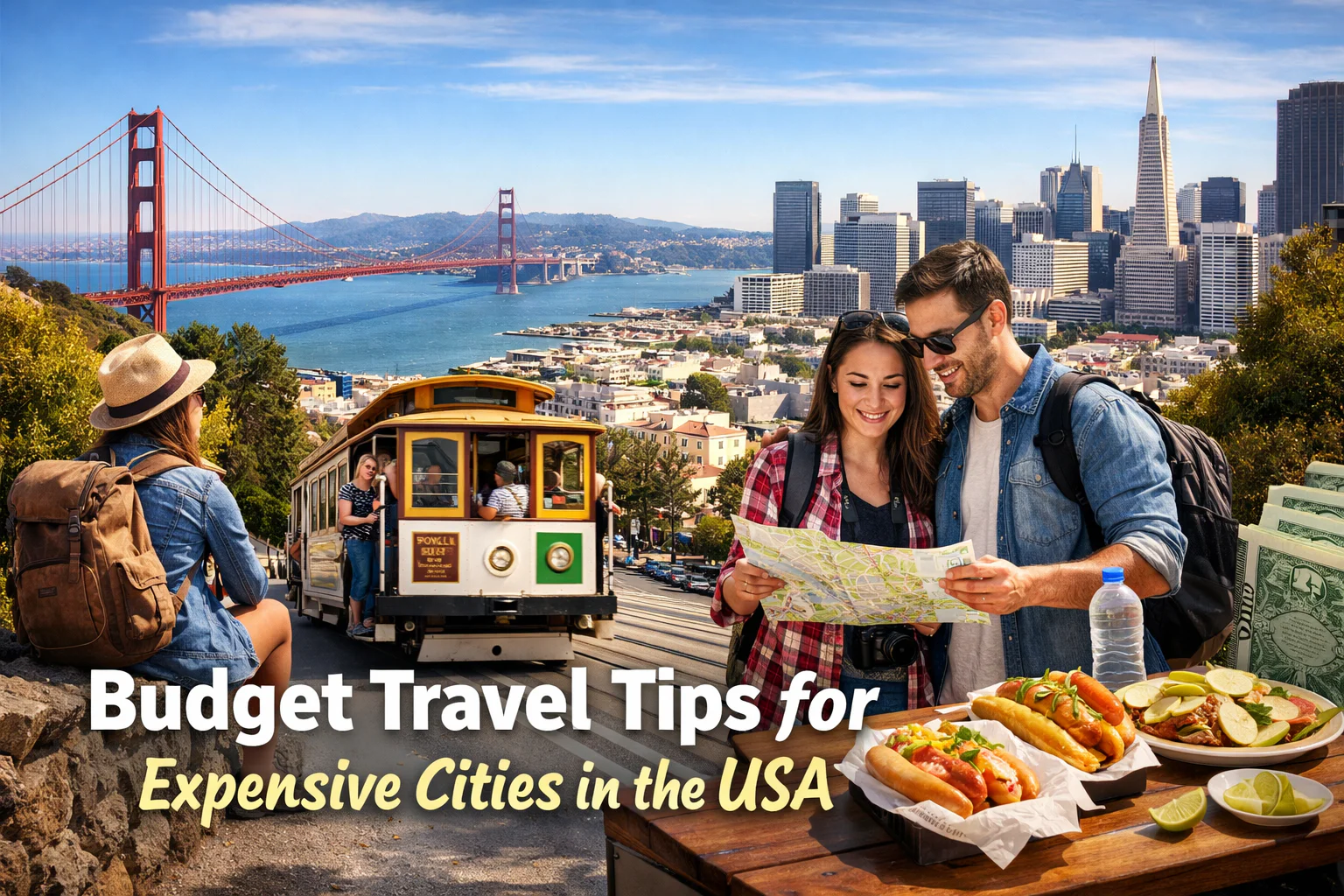
Major metropolitan areas command higher prices for good reasons. These cities pulse with world-class museums, iconic landmarks, diverse culinary scenes, and unmatched cultural experiences. New York City offers Broadway shows and Central Park picnics. San Francisco delivers Golden Gate Bridge views and historic cable car rides. Chicago boasts stunning architecture and deep-dish pizza adventures. The value proposition is undeniable when you approach these destinations strategically.
Investing time in learning budget travel tips for expensive cities USA pays dividends in unforgettable memories. These urban centers host free festivals, public art installations, and neighbourhood walking tours that cost nothing yet deliver everything. The key is shifting your mindset from “expensive equals exclusion” to “expensive equals opportunity for smart savings.” Every dollar saved on accommodation becomes a dollar spent on unique local experiences. Every meal cooked in a hostel kitchen frees up funds for that sunset harbour cruise or comedy club ticket. The cities themselves want you to visit; they just require a bit of creative navigation to access their treasures affordably.
Strategic Timing: When to Visit for Maximum Savings
Timing transforms everything when applying budget travel tips for expensive cities USA. Shoulder seasons—those magical windows between peak and off-peak—offer the sweet spot of pleasant weather and reduced prices. Visit New York City in late April or early November. Explore San Francisco during September or October when summer fog clears and hotel rates drop. Chicago shines in late spring before summer crowds arrive.
Avoid major holidays, conventions, and special events that inflate prices dramatically. Hotel rates in Las Vegas can triple during CES or major boxing matches. New Orleans becomes pricey during Mardi Gras and Jazz Fest. Research local event calendars before booking. Midweek stays typically cost 20-40% less than weekends. Tuesday and Wednesday flights often beat Friday and Sunday prices significantly. Early morning departures and red-eye flights save both time and money. Flexibility becomes your greatest asset. Use fare comparison tools and set price alerts. Consider flying into secondary airports like Oakland instead of San Francisco proper, or Newark instead of JFK. These small adjustments compound into substantial savings across your entire trip.
Accommodation Hacks: Sleep Smart, Save Big
Hotels in major cities easily consume 50-70% of travel budgets, but savvy travelers know better alternatives exist. Hostels have evolved far beyond cramped dorm rooms. Modern USA hostels offer private rooms, rooftop terraces, and social events at fraction of hotel costs. HI USA hostels in major cities provide clean, safe environments with kitchen access for $40-80 nightly.
Vacation rentals through platforms like Airbnb or VRBO shine for groups or extended stays. Having a kitchen eliminates expensive restaurant bills. Neighborhoods slightly outside tourist centers offer authentic experiences at lower rates. Consider Brooklyn instead of Manhattan, Oakland instead of San Francisco downtown, or Silver Lake instead of Hollywood. House-sitting opportunities through TrustedHousesitters or Nomador let you stay free while caring for homes and pets. University dorms sometimes rent rooms to travelers during summer breaks. Boutique motels and budget chains like Motel 6 or Super 8 work for road trips between cities. Always read recent reviews and verify locations near public transit. Your accommodation choice sets the foundation for affordable urban exploration.
Transportation Tricks: Navigate Like a Local
Getting around expensive cities efficiently separates tourists from savvy travelers. Rideshares and taxis drain budgets rapidly; public transit is your money-saving ally. New York’s subway system runs 24/7 and reaches every borough for $2.90 per ride. San Francisco’s Muni passes cover buses, streetcars, and cable cars. Chicago’s L train connects airports to downtown affordably.
Purchase multi-day transit passes immediately upon arrival. They typically pay for themselves within three rides. Walking remains the ultimate free transportation method. America’s most expensive cities often feature compact, walkable downtown cores. Download offline maps and embrace pedestrian exploration. Bike-sharing programs like Citi Bike in NYC or Ford GoBike in SF offer daily passes cheaper than single cab rides. Electric scooters provide quick hops between neighborhoods. For longer distances, consider budget bus lines like Megabus or FlixBus connecting major metros. Some routes start at $1 if booked early. Avoid airport taxis entirely. Most cities offer reliable subway or light rail connections from terminals to city centers for under $10. Every transportation dollar saved funds another museum visit or memorable meal.
Free and Low-Cost Attractions: Experience the Best for Less
America’s priciest cities paradoxically offer incredible free entertainment. New York City’s Central Park, High Line, and countless museums with pay-what-you-wish policies await. San Francisco’s Golden Gate Park, Fisherman’s Wharf sea lion viewing, and cable car photo opportunities cost nothing. Washington D.C.’s Smithsonian museums remain completely free year-round.
Research “free museum days” before visiting. Many institutions offer complimentary admission on specific evenings or first Sundays. City tourism cards like CityPASS or Go City provide discounted bundled access to major attractions. However, calculate carefully—they only save money if you actually visit enough included sites. Walking tours operate on tip-based models in most major cities. Local guides share neighborhood histories, hidden gems, and insider recommendations for whatever you can afford. Public markets like Pike Place in Seattle or Reading Terminal in Philadelphia offer free entertainment and affordable eating. Street festivals, outdoor concerts, and movie screenings in parks fill summer calendars. Nature escapes within city limits—think NYC’s Coney Island or LA’s Griffith Observatory—provide fresh air and photo opportunities without admission fees. The best experiences often carry the smallest price tags.
Dining on a Dime: Eat Well Without the Bill Shock
Food costs terrify budget travelers in expensive cities, but culinary adventures needn’t break banks. Street food and food trucks deliver authentic flavors at fraction of restaurant prices. New York’s halal carts, LA’s taco trucks, and Portland’s food pod scenes offer meals under $10 that rival sit-down establishments.
Grocery stores become your best friends. Even basic hotel rooms with mini-fridges enable breakfast and snack preparation. Whole Foods, Trader Joe’s, and local ethnic markets provide ready-to-eat meals cheaper than restaurants. Happy hour hunting saves significantly on dining out. Many upscale restaurants offer reduced-price appetizers and drinks during afternoon lulls. Lunch specials often feature the same dinner portions at half prices. Ethnic neighborhoods—Chinatown, Little Italy, Koreatown—hide affordable authentic eateries tourists rarely find.
Download apps like Too Good To Go for discounted surplus food from restaurants and bakeries. Split large portions; American serving sizes often feed two comfortably. Carry a reusable water bottle and refill at public fountains. Avoid tourist-zone restaurants with picture menus. Walk three blocks away from major attractions, and prices drop 30-50% immediately. Delicious, affordable eating requires curiosity and willingness to explore beyond obvious choices.
Money-Saving Apps and Tools: Technology as Your Travel Ally
Modern technology amplifies budget travel tips for expensive cities USA exponentially. Download essential apps before departure. GasBuddy finds cheapest fuel for road trips. Hopper predicts flight price drops and alerts you to book at optimal times. HotelTonight offers last-minute luxury stays at budget prices when properties have empty rooms.
Google Maps offline downloads prevent data roaming charges while navigating. Splitwise simplifies expense sharing among travel companions. Yelp and Google Reviews identify highly-rated affordable restaurants reliably. Groupon and LivingSocial provide discounted activities, spa treatments, and dining experiences. Cash-back apps like Rakuten reward bookings made through their portals. Currency converters and tipping calculators prevent mental math errors.
City-specific apps like NYC Ferry or SFMTA make public transit navigation seamless. Consider purchasing local SIM cards or eSIMs for affordable data rather than expensive international roaming. Portable battery packs ensure your digital tools remain charged during long exploration days. Technology doesn’t replace smart planning—it enhances every money-saving decision you make on the road.
Shopping and Souvenirs: Smart Spending Strategies
Tourist traps sell overpriced souvenirs that gather dust at home. Smart travelers seek meaningful, affordable mementos. Local thrift stores and vintage shops in neighborhoods like Brooklyn’s Williamsburg or LA’s Silver Lake offer unique clothing and accessories at reasonable prices.
Public markets feature handmade crafts from local artisans directly, cutting middleman markups. Museum gift shops surprisingly carry affordable, high-quality items supporting cultural institutions. Postcards and locally designed prints make lightweight, meaningful souvenirs. Focus on consumables—local hot sauces, coffee beans, or chocolates—that provide experiences rather than clutter. Avoid airport shopping entirely; prices inflate dramatically for captive audiences.
If you must shop major retailers, verify tax-free shopping options for international visitors. Some states offer visitor refund programs on sales tax. Packing light enables carry-only travel, avoiding checked bag fees on budget airlines. Every item purchased should serve purpose or spark genuine joy. Mindful shopping aligns with overall budget consciousness while still capturing trip memories.
Safety and Security: Protecting Your Budget and Yourself
Financial safety matters as much as physical security when practicing budget travel tips for expensive cities USA. Tourists attract pickpockets in crowded areas; use money belts or hidden pockets for cash and cards. Never carry all payment methods together; split between day bag and hotel safe.
Notify banks of travel dates to prevent fraud alerts freezing cards. Carry backup cards from different issuers. Photograph important documents and store copies securely in cloud storage. Avoid public Wi-Fi for banking or sensitive transactions without VPN protection. Travel insurance seems like unnecessary expense until emergencies strike. Basic policies covering medical evacuation and trip interruption cost little compared to potential disasters.
Research neighborhood safety before booking accommodations; saving $20 nightly matters little if you feel unsafe walking after dark. Trust instincts regarding situations and people. Street scams operate in every major city; if deals seem too good, they usually are. Protecting your finances and wellbeing ensures your budget stretches across entire trips rather than disappearing into unexpected crises.
Sample Budget Breakdown: Real Numbers for Real Cities
Understanding actual costs helps apply budget travel tips for expensive cities USA effectively. Here’s a realistic daily budget for budget-conscious travelers in major destinations:
New York City: Hostel bed ($60), subway day pass ($5.50), food truck meals and groceries ($35), one paid attraction ($25), miscellaneous ($15) = $140 daily
San Francisco: Shared Airbnb room ($80), Muni pass ($5), cooking breakfast/eating out twice ($40), free hiking and park visits ($0), coffee and snacks ($15) = $140 daily
Chicago: Budget hotel split with friend ($45), L train rides ($6), deep-dish pizza slice and casual dining ($30), architecture river cruise ($25), entertainment ($20) = $126 daily
These figures represent comfortable budget travel, not extreme penny-pinching. Reduce costs further by cooking all meals, couchsurfing, or focusing entirely on free activities. Increase slightly for occasional splurges on memorable experiences. The goal isn’t deprivation—it’s intentional spending on what matters most to you personally.
Detailed Comparison Table: Expensive Cities Budget Guide
Table
| Category | New York City | San Francisco | Los Angeles | Chicago | Boston | Money-Saving Tip |
|---|---|---|---|---|---|---|
| Cheapest Accommodation | Hostels in Queens/Brooklyn ($50-70) | Oakland or Berkeley hostels ($45-65) | Hollywood or Koreatown shared rooms ($40-60) | Wicker Park hostels ($35-55) | Cambridge guesthouses ($50-70) | Book 30+ days ahead; consider house-sitting |
| Best Free Attractions | Central Park, Brooklyn Bridge, museums (pay-what-you-wish) | Golden Gate Park, Lombard Street, sea lions at Pier 39 | Griffith Observatory, Venice Beach, Getty Center (free entry) | Millennium Park, Navy Pier (free entry), Lincoln Park Zoo | Freedom Trail, Boston Common, Harvard campus | Visit on weekdays to avoid crowds |
| Budget Food Scene | Halal carts, dollar pizza slices, Chinatown dim sum | Mission District taquerias, Ferry Building farmers market | Taco trucks, Koreatown BBQ, Grand Central Market | Hot dog stands, ethnic neighborhoods, deep-dish lunch specials | North Italian bakeries, food trucks at Boston Common | Eat biggest meal at lunch when prices drop |
| Public Transit Cost | $2.90 per ride / $34 weekly unlimited | $3.00 per ride / $40 monthly pass | $1.75 per bus ride (limited coverage) | $2.50 per ride / $28 monthly pass | $2.40 per ride / $90 monthly pass | Buy multi-day passes immediately upon arrival |
| Hidden Costs to Avoid | Taxi from airports ($70+), Broadway full-price tickets, tourist trap restaurants | Parking fees ($30+/day), ride-shares up hills, Alcatraz without booking ahead | Car rental insurance, beach parking, Hollywood tour scams | Winter heating costs in hotels, river cruise extras, sports event surge pricing | College event weekend price spikes, historic tour tips, harbor cruise markups | Research free alternatives; book attractions online in advance |
| Best Budget Neighborhood | Astoria, Queens or Bed-Stuy, Brooklyn | Mission District or Sunset District | Echo Park or Los Feliz | Logan Square or Pilsen | Somerville or Jamaica Plain | Stay 3-4 subway stops from downtown |
| Free Walking Tours | Pay-what-you-wish tours daily in Manhattan | Free SF City Guides volunteer tours daily | DIY Hollywood Walk of Fame, Venice Canals | Chicago Greeter free volunteer tours | Freedom Trail self-guided or pay-what-you-wish | Tip guides $10-15 if enjoyed; still cheaper than paid tours |
| Airport to City Savings | AirTrain + subway ($10.75 total) vs taxi ($70) | BART train ($10.55) vs taxi ($60) | FlyAway bus ($9.75) vs taxi/shuttle ($50) | Blue Line L train ($5) vs taxi ($45) | Silver Line bus (free to South Station) vs taxi ($35) | Never take taxis from airports; public transit is safe and efficient |
| Seasonal Price Drops | January-February post-holidays; hot August | September-October (warmest, clearest weather) | November-March (except holidays) | April-May and September-October | January-March winter months | Book 2-3 months ahead for shoulder season deals |
| Daily Budget Range | $120-180 (frugal to moderate) | $130-190 (frugal to moderate) | $110-170 (car-free, frugal to moderate) | $100-160 (frugal to moderate) | $130-180 (frugal to moderate) | Track spending daily using apps to stay within limits |
Frequently Asked Questions
How can I find the cheapest flights to expensive USA cities?
Start with flexible date searches on Google Flights or Skyscanner. Tuesday and Wednesday departures typically cost 15-20% less than weekend travel. Book domestic flights 1-3 months in advance for optimal pricing. Set price alerts for your routes. Consider nearby alternative airports—flying into Oakland often saves $100+ compared to San Francisco International. Budget carriers like Southwest, Spirit, or Frontier serve major routes, but calculate total costs including baggage fees. Incognito browsing prevents cookies from inflating prices based on search history. Tuesday afternoons often reveal fresh fare sales. Combine these strategies with budget travel tips for expensive cities USA for maximum trip savings.
Are hostels safe and clean in American cities?
Absolutely. Hostels in the USA maintain high standards, particularly HI USA (Hostelling International) properties. They offer 24-hour reception, secure lockers, female-only dorms, and common areas for socializing. Private rooms provide hotel-like privacy at reduced costs. Read recent reviews on Hostelworld or Booking.com focusing on cleanliness and security mentions. Most urban hostels enforce quiet hours and guest policies ensuring comfortable stays. They’re particularly valuable for solo travelers seeking community connections. The money saved on accommodation directly funds experiences making trips memorable.
What’s the single biggest money-saving tip for NYC?
Walk everywhere possible and eat like a local. Manhattan’s grid layout makes navigation intuitive. Walking across the Brooklyn Bridge costs nothing yet provides million-dollar views. Food trucks and ethnic neighborhoods deliver authentic, affordable meals avoiding Times Square tourist traps. The subway system reaches virtually every attraction for under $3. Avoid Broadway ticket booths; instead, enter digital lotteries for $30 front-row seats or visit TKTS booths for day-of discounts. These budget travel tips for expensive cities USA specifically tailored to New York transform it from intimidating to accessible.
Can I visit San Francisco without a car?
Not only can you, but you absolutely should. San Francisco’s compact 7×7 mile size makes it perfect for walking, biking, and public transit. Parking costs average $30-50 daily plus hotel overnight fees reaching $60+. The Muni system covers buses, historic streetcars, and cable cars with single passes. Walking reveals hidden staircases, neighborhood murals, and local cafes missed when driving. Bike-sharing programs provide efficient hill-climbing assistance. Ferries to Alcatraz, Sausalito, or Oakland offer scenic water transport. Car-free exploration reduces stress, saves hundreds of dollars, and provides authentic San Francisco experiences.
How do I eat cheaply without sacrificing food quality?
Follow locals to where they eat. Avoid restaurants within two blocks of major tourist attractions. Explore ethnic enclaves—Chinatowns, Little Italys, Koreatowns—where authentic cuisine costs less than Americanized versions. Download HappyCow or Yelp filters for “$” price ranges with 4+ star ratings. Grocery store prepared foods, particularly at Trader Joe’s or Whole Foods hot bars, provide restaurant-quality meals at half prices. Food trucks undergo rigorous health inspections and often feature innovative chefs building reputations. Split entrees; American portions typically satisfy two appetites. These strategies ensure culinary adventures remain highlights, not budget drains.
Is travel insurance necessary for domestic USA trips?
While not mandatory, travel insurance provides valuable protection for non-refundable bookings and medical emergencies. Basic “cancel for any reason” policies cost 5-10% of trip value but protect against illness, weather disruptions, or family emergencies. Health insurance coverage varies; verify whether your plan covers out-of-network providers in destination cities. For adventure activities or pre-paid tours worth thousands, insurance offers peace of mind. Compare policies on Squaremouth or InsureMyTrip finding coverage matching your specific trip investments and risk tolerance.
Conclusion: Your Affordable American Adventure Awaits
Exploring America’s most exciting urban centers doesn’t require trust funds or credit card debt. These budget travel tips for expensive cities USA prove that strategic planning, local knowledge, and willingness to step beyond tourist bubbles unlock extraordinary experiences at reasonable costs. The memories created wandering Brooklyn’s street art districts, catching sunset views from San Francisco’s Twin Peaks, or discovering Chicago’s jazz clubs matter more than thread counts or room service.
Start implementing these strategies today. Research shoulder season dates for your target city. Download essential money-saving apps. Join hostel booking platforms and fare alert services. Every small preparation step compounds into significant savings. America’s cities welcome budget travelers who arrive informed and ready to explore intelligently. Your adventure starts now—pack light, plan smart, and discover how affordable unforgettable travel truly becomes when you know the secrets. The country awaits your footprints; make them count without emptying your wallet.
About the Author