Europe Freezes US Travel
Europe Freezes US Travel: What Does It Mean for You?
In 2026, Europe made a bold move by freezing US travel for many tourists, sending shockwaves across the travel industry. The restrictions have taken many by surprise, affecting both leisure travelers and business professionals who rely on transatlantic trips. As European governments impose tighter controls, it’s crucial for US travelers to understand what’s going on and how it will impact their future trips. In this article, we will explore the reasons behind Europe’s decision, how it affects US travelers, and what steps you can take to ensure your next trip goes smoothly despite the freeze. Whether you’re planning a vacation, a business trip, or just a quick getaway, understanding these changes will help you stay ahead of the curve.
Why Did Europe Freeze US Travel?
Europe’s decision to freeze US travel has raised many eyebrows. In the past, US tourists have enjoyed relatively easy access to European countries. However, recent developments, such as rising concerns over public health, security risks, and political tensions, have prompted European authorities to reconsider their policies. Travel bans are a direct response to these factors, with certain nations implementing tighter border controls and travel restrictions. These actions are meant to protect public safety, manage international relations, and maintain the integrity of their tourism industries. But what does this mean for US travelers and how can they adapt?
The Impact of Europe Freezing US Travel
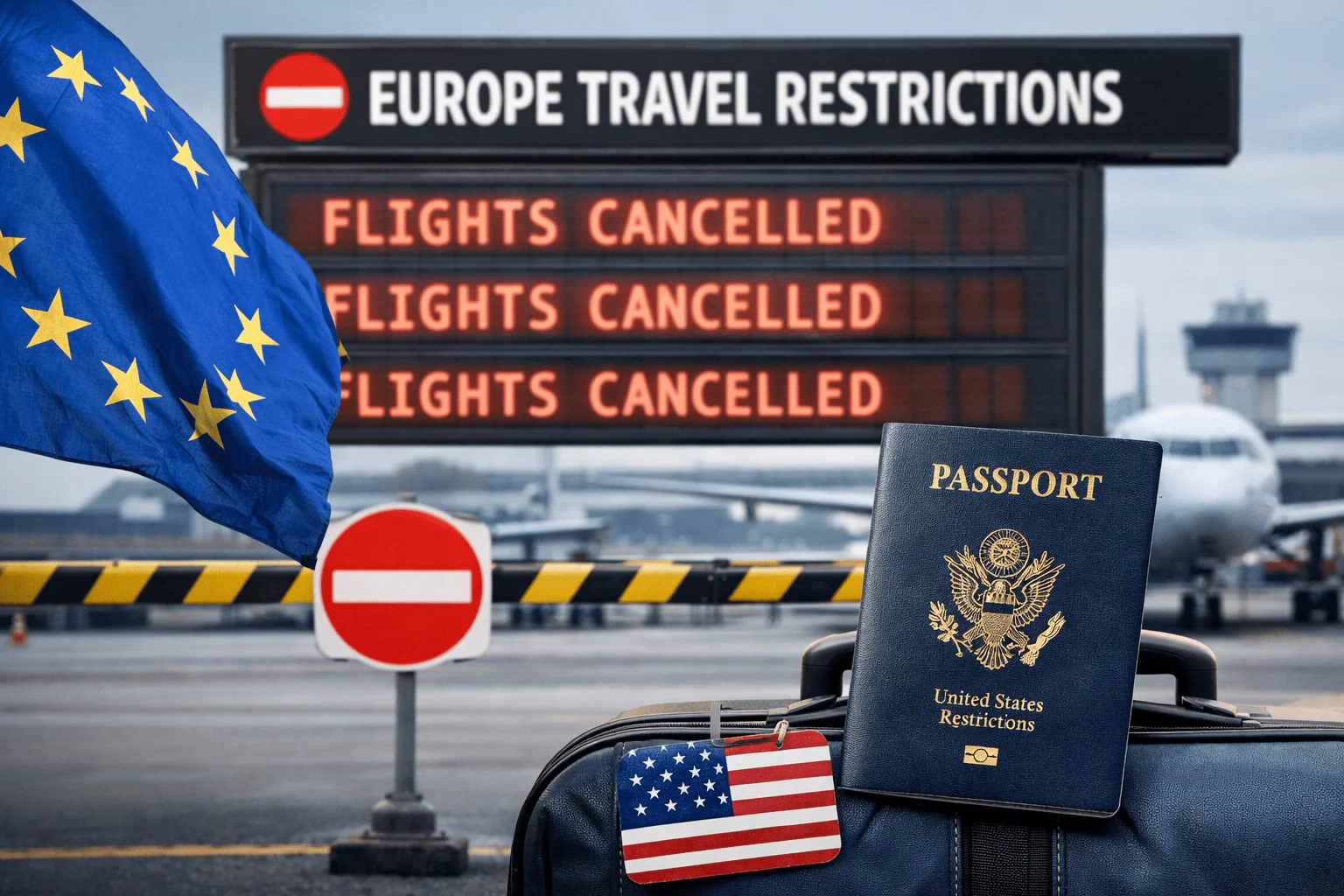
The immediate impact of Europe freezing US travel is felt by millions of American tourists. Flights to popular European destinations such as Paris, London, and Rome have been canceled or delayed. For those already planning their trips, the uncertainty of border policies has added stress. Tour operators and travel agencies are also struggling to navigate the changing landscape, leading to a decline in bookings and tourism revenue. Moreover, US citizens with plans for business travel to Europe are facing delays in visa applications and complications with business engagements. This freeze has far-reaching consequences for both casual and professional travelers alike.
What Travel Restrictions Are in Place?
The restrictions vary from country to country, but several common policies have been implemented across Europe. Many nations have introduced quarantine measures for travelers arriving from the United States. Others require negative COVID-19 tests or proof of vaccination before granting entry. Additionally, some countries have restricted the number of visitors allowed to enter each day, further complicating travel plans. For example, Italy has limited entry to only essential travelers, while Germany has imposed a strict testing policy for all incoming flights from the US. It’s essential to check specific country guidelines before booking any international travel.
How to Prepare for Travel Amid Restrictions
If you’re planning to travel to Europe, it’s important to stay informed and prepared. Make sure to:
- Check Travel Advisories: Regularly check government websites for updates on travel restrictions and border policies.
- Secure Travel Insurance: Consider purchasing travel insurance that covers cancellation due to unforeseen restrictions or lockdowns.
- Plan for Quarantine: Be prepared to quarantine upon arrival, especially if you’re visiting countries with strict entry requirements.
- Stay Flexible: Book flexible flights and accommodations to accommodate sudden changes in travel plans.
By taking these proactive steps, you can minimize the disruptions caused by Europe freezing US travel.
How Long Will Europe’s Travel Freeze Last?
Currently, there is no clear end date to the travel restrictions. Experts suggest that these measures will last until the global situation stabilizes and international relations improve. The timing of these changes will depend on various factors, such as public health developments and the resolution of any political or economic tensions. It’s important for US travelers to stay informed by following news reports, government updates, and travel advisories from both European and US authorities.
Alternatives to Europe: Other Destinations for US Travelers
For those looking to travel but find themselves restricted by Europe’s travel freeze, there are plenty of other exciting destinations. Many regions outside of Europe remain open to US travelers, offering opportunities for adventure without the stress of border restrictions. Popular alternatives include:
- Mexico: Easily accessible from the US, Mexico is home to beautiful beaches, cultural attractions, and vibrant cities.
- Caribbean Islands: Many Caribbean nations have relaxed entry requirements, making them ideal for a tropical escape.
- Southeast Asia: Countries like Thailand and Vietnam are opening their doors to international visitors, offering an exotic and affordable alternative to Europe.
- Canada: A neighbor to the north, Canada continues to welcome US tourists, offering everything from urban experiences to stunning natural landscapes.
While Europe may be closed for now, these alternatives provide viable options for US travelers seeking adventure.
What Does This Mean for US Businesses?
The freeze in US travel to Europe has significant implications for American businesses that rely on international trade, meetings, and partnerships. Many businesses, particularly those in the tech, fashion, and automotive sectors, rely heavily on European markets. With travel restrictions in place, companies are finding it more challenging to conduct face-to-face meetings or attend important conferences. Additionally, supply chain disruptions have affected the timely delivery of products from European manufacturers to US retailers. This creates a ripple effect on the overall economy.
Will Europe Lift Travel Restrictions Soon?
It’s difficult to predict when Europe will lift travel restrictions entirely. Government officials and health experts are continuously monitoring the situation, and policies may change as new information becomes available. However, as vaccinations increase and the pandemic is brought under control, there may be a gradual loosening of travel restrictions. Until then, travelers should remain flexible and adjust their plans accordingly.
How Can US Tourists Adapt to Changing Travel Policies?
With travel policies in constant flux, US tourists must remain adaptable. The key to managing uncertainty is flexibility. Here are some tips for adapting to changing travel restrictions:
- Travel Off-Peak: Avoid peak travel seasons to minimize your risk of cancellations and delays.
- Consider Alternative Airports: If flights to your desired destination are unavailable, look for alternative airports in nearby cities.
- Book Local Experiences: Instead of booking flights and hotels, consider focusing on local experiences and activities within the US, helping to support the domestic travel economy.
Staying informed and flexible will help you navigate the challenges posed by Europe freezing US travel.
Conclusion: Navigating the Future of US-European Travel
Europe freezing US travel may be a temporary setback for American tourists, but it’s important to remember that travel is resilient. By staying informed and adapting to changing conditions, travelers can continue to explore new destinations, whether within Europe or beyond. Though the situation remains fluid, the key takeaway is to remain flexible, proactive, and prepared for anything that comes your way. Safe travels!
FAQs
- Why did Europe freeze US travel in 2026?
Europe froze US travel due to concerns over public health, security risks, and international tensions. Countries implemented travel bans to ensure safety and control the spread of potential risks. - How long will the travel freeze last?
The duration of the travel freeze remains uncertain, as it depends on public health developments and political factors. Travelers should stay updated with government advisories. - What alternative destinations can US travelers visit?
Mexico, the Caribbean, Southeast Asia, and Canada are popular alternatives to Europe for US travelers during the travel freeze. - Are travel restrictions only in place for leisure travelers?
No, both leisure and business travelers are affected by the restrictions, with businesses facing challenges in attending meetings and conferences. - How can I prepare for travel during the freeze?
Stay informed about government policies, book flexible accommodations, and consider purchasing travel insurance to protect against cancellations. - Will Europe eventually lift travel restrictions for US tourists?
There is hope that restrictions will ease as the global situation stabilizes. However, the timeline remains unclear, and it’s essential to monitor updates regularly.
About the Author