Brat Diet
Brat Diet Your Gentle Path to Stomach Recovery
When nausea or diarrhea strikes, eating feels impossible. You need foods that soothe, not aggravate. The brat diet offers a simple solution. This bland food plan helps your digestive system rest and recover quickly.
What Is the Brat Diet Exactly?
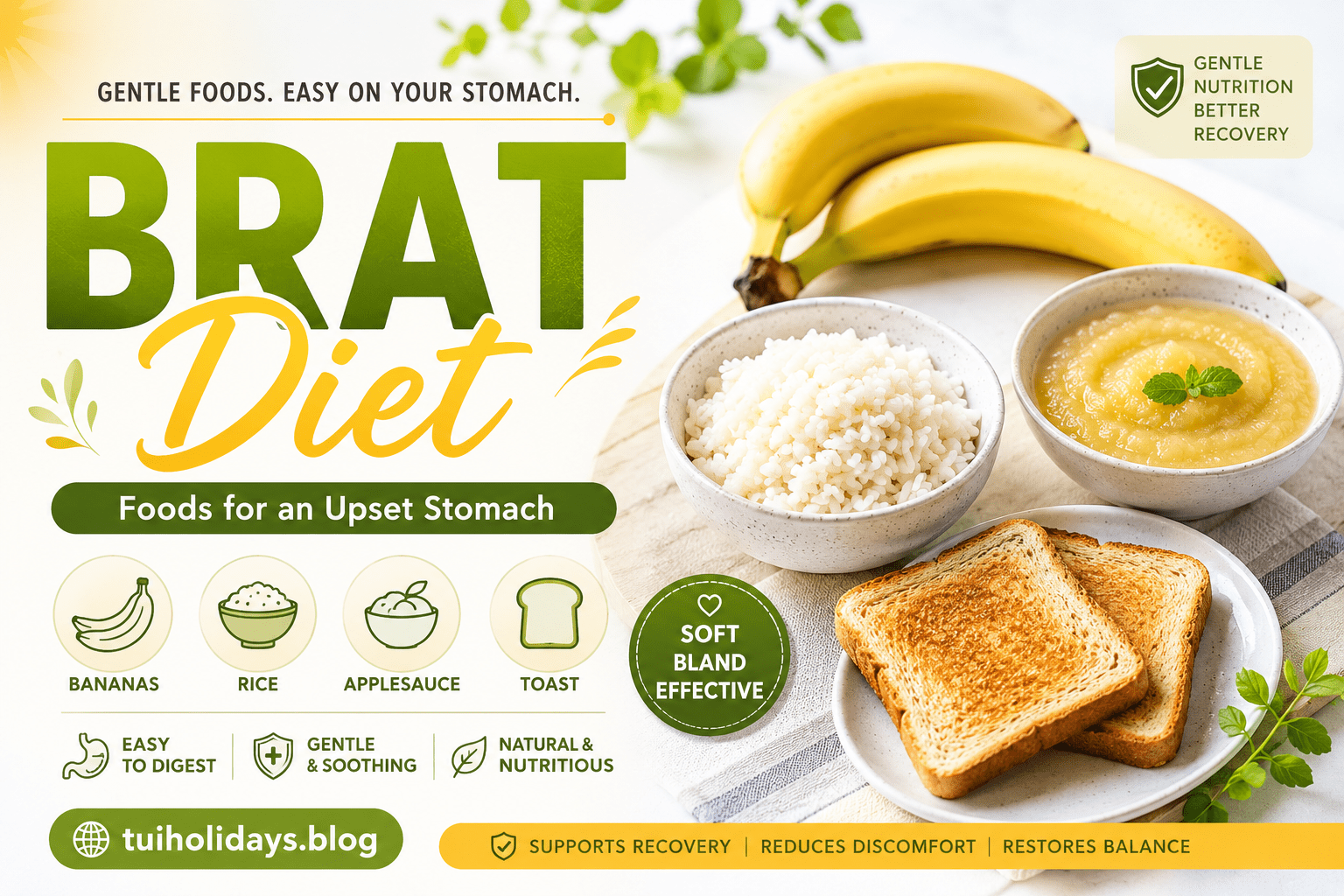
The brat diet stands for Bananas, Rice, Applesauce, and Toast. These four bland foods are low in fiber and easy to digest. Doctors have recommended this gentle eating plan for decades to treat upset stomachs.
Unlike spicy or fatty meals, these foods do not stimulate your intestines. They give your gut a break. The brat diet also helps firm up loose stools. Each ingredient serves a specific purpose in recovery.
- Bananas: Replace lost potassium from diarrhea
- Rice: Provides easy carbs without irritating the gut
- Applesauce: Contains pectin to bulk up stools
- Toast: Offers simple energy without stomach stress
When Should You Start This Gentle Eating Plan?
Start the brat diet at the first sign of vomiting or diarrhea. Do not force food if you are actively throwing up. Wait two to three hours after the last vomiting episode. Then take small bites of one food.
The brat diet works best for short-term stomach bugs. Use it when you cannot keep regular food down. Many parents rely on this plan for children with the stomach flu. Adults recovering from food poisoning also benefit greatly.
Do not start this diet for chronic issues like IBS without a doctor’s advice. The brat diet lacks nutrients for long-term use. It is a temporary tool, not a permanent lifestyle.
How Does the Brat Diet Help Your Stomach Heal?
Your intestines have tiny finger-like projections called villi. They absorb nutrients. When you have diarrhea or vomiting, these villi get inflamed. The brat diet gives them time to calm down.
Bland foods do not trigger digestive juices. Less acid means less irritation. The brat diet also slows down bowel movements. This allows more water to be absorbed back into your body. You lose fewer fluids and electrolytes.
| Component | Key Nutrient | Primary Benefit | Recovery Action |
|---|---|---|---|
| Bananas | Potassium | Electrolyte balance | Reduces muscle cramps |
| White Rice | Carbohydrates | Easy energy source | Firms loose stools |
| Applesauce | Pectin | Natural binder | Slows intestinal transit |
| White Toast | Starch | Gentle stomach filler | Absorbs stomach acid |
| Fluids | Water/Electrolytes | Prevents dehydration | Supports cell repair |
Step-by-Step Guide to Following the Brat Diet
Start with clear liquids first. Sip water or an oral rehydration solution. Wait 30 minutes. If no vomiting occurs, eat two tablespoons of applesauce. Wait another 30 minutes.
Gradually increase portions every two hours. On day one of the brat diet, eat small amounts every two to three hours. Day two allows slightly larger portions. By day three, most people add other bland foods.
Do not eat these on the brat diet:
- Dairy products (milk, cheese, yogurt)
- Fatty or fried foods
- Spicy dishes
- Raw vegetables
- Whole grains
- Sugary drinks or candy
What to Drink While on the Brat Diet
Hydration matters more than food during stomach illness. Water alone does not replace lost electrolytes. You need sodium and potassium. The brat diet includes bananas for potassium, but you also need salt.
Try clear broths. Chicken or vegetable broth adds sodium without irritating your stomach. Pedialyte or generic electrolyte solutions work well for children and adults. Avoid sports drinks with high sugar content.
Sip slowly. Drinking too fast triggers gag reflexes. Take one small sip every five minutes. Herbal teas like chamomile or peppermint also fit the brat diet plan. Skip caffeinated teas or coffee.
How Long Should You Stay on the Brat Diet?
Most people only need the brat diet for 24 to 48 hours. By day two, your symptoms should improve significantly. Diarrhea becomes less frequent. Nausea fades away.
Staying on the brat diet longer than three days risks malnutrition. You miss protein, healthy fats, and vital vitamins. Children especially need balanced nutrition quickly after illness.
Listen to your body. When you feel hungry for real food, start transitioning. Add one new bland food every four to six hours. Scrambled eggs, boiled potatoes, or plain crackers are good first steps after the brat diet.
Who Should Not Use the Brat Diet?
The brat diet is not for everyone. People with diabetes need caution. White rice and toast raise blood sugar quickly. You must monitor glucose levels closely if you follow this plan.
Pregnant women with severe nausea should consult a doctor. Morning sickness differs from viral gastroenteritis. The brat diet may not provide enough folic acid or iron for fetal development.
Elderly individuals or those with kidney disease need medical supervision. Diarrhea depletes electrolytes dangerously fast in these groups. A doctor may recommend a modified brat diet with added protein.
What to Eat After Finishing the Brat Diet
Transition slowly back to normal eating. Do not jump into a cheeseburger or salad. Your intestines remain sensitive for several days. Start with well-cooked vegetables like carrots or green beans.
Add lean proteins next. Baked chicken without skin, turkey, or fish digest easily. Eggs are another excellent choice. Avoid red meat for at least five days after the brat diet.
Sample 3-day transition menu:
- Day 1: Add boiled potatoes and plain crackers
- Day 2: Add scrambled eggs and cooked carrots
- Day 3: Add baked chicken and white fish
- Day 4: Return to your regular balanced diet
Common Mistakes People Make on the Brat Diet
Many people eat too much too soon. Your stomach needs time. Overeating on the brat diet triggers more vomiting. Stick to two tablespoons per serving for the first 12 hours.
Another mistake is using brown rice instead of white rice. Brown rice has too much fiber. Fiber stimulates bowel movements, the opposite of what you want. Always use white rice on the brat diet.
People also forget to drink enough fluids. Diarrhea dehydrates you faster than you realize. Track your urine color. Pale yellow means good hydration. Dark yellow means drink more.
Medical Alternatives to the Brat Diet
Modern pediatricians sometimes recommend a more diverse diet. The BRAT diet has been updated to the “CRAM” diet in some hospitals. CRAM stands for Cereal, Rice, Applesauce, and Milk (lactose-free).
Probiotics offer another helpful addition. Specific strains like Saccharomyces boulardii reduce diarrhea duration. You can find this in certain yogurts or supplements. Always check with your doctor before adding probiotics.
The World Health Organization recommends oral rehydration solutions (ORS) as the top priority. ORS saves lives in severe dehydration cases. The brat diet works alongside ORS, not as a replacement.
Scientific Evidence Behind the Brat Diet
Studies show mixed results for the brat diet. A 2020 review in the Journal of Pediatric Gastroenterology found that early refeeding with bland foods reduces hospital stays. However, overly restrictive diets may prolong diarrhea.
Pediatricians now favor early reintroduction of balanced foods. But for the first 24 hours, the brat diet remains useful. Its main benefit is psychological. Patients feel in control when they have clear eating guidelines.
The American Academy of Family Physicians states that the brat diet is safe for short-term use. They recommend adding protein and probiotics as soon as tolerated. Always prioritize hydration over solid food in severe cases.
External Sources:
- World Health Organization – Oral rehydration salts guidance (WHO.int)
- Journal of Pediatric Gastroenterology and Nutrition – Acute diarrhea management (2020)
- American Academy of Family Physicians – Gastroenteritis treatment guidelines (AAFP.org)
Frequently Asked Questions (FAQs)
Q1: Can I eat eggs on the brat diet?
No. Eggs are not part of the traditional brat diet. Stick to bananas, rice, applesauce, and toast only. Add eggs on day two or three of recovery.
Q2: Is the brat diet good for acid reflux?
Not specifically. The brat diet helps diarrhea and vomiting more than heartburn. For acid reflux, focus on low-acid foods like oatmeal and melons instead.
Q3: How much water should I drink on the brat diet?
Sip 1 to 2 ounces every 15 minutes. Aim for 6 to 8 cups total per day. If you have diarrhea, add an electrolyte drink to replace lost salts.
Q4: Can adults use the brat diet for stomach flu?
Yes. The brat diet works for adults and children. Adults need larger portions but the same bland foods. Follow the same 24 to 48 hour timeline.
Q5: Does the brat diet help with food poisoning?
Yes. Food poisoning causes vomiting and diarrhea. The brat diet gives your gut a rest while you fight the infection. Start after the first 6 hours of active vomiting.
Q6: When should I see a doctor while on the brat diet?
See a doctor if you have blood in vomit or stool, fever over 101°F (38.3°C), severe abdominal pain, or cannot keep any fluids down for 12 hours.
Conclusion: Your Recovery Starts Today
Stomach illness feels awful, but you have a clear path forward. The brat diet gives your digestive system the rest it desperately needs. Start with small sips of water. Add tiny portions of bananas, rice, applesauce, or toast. Within 48 hours, most people feel dramatically better.
About the Author